Theme 01
Fuel Supply and Security
$14.8B Strengthening Australia's Fuel Resilience package responding to the Middle East oil shock
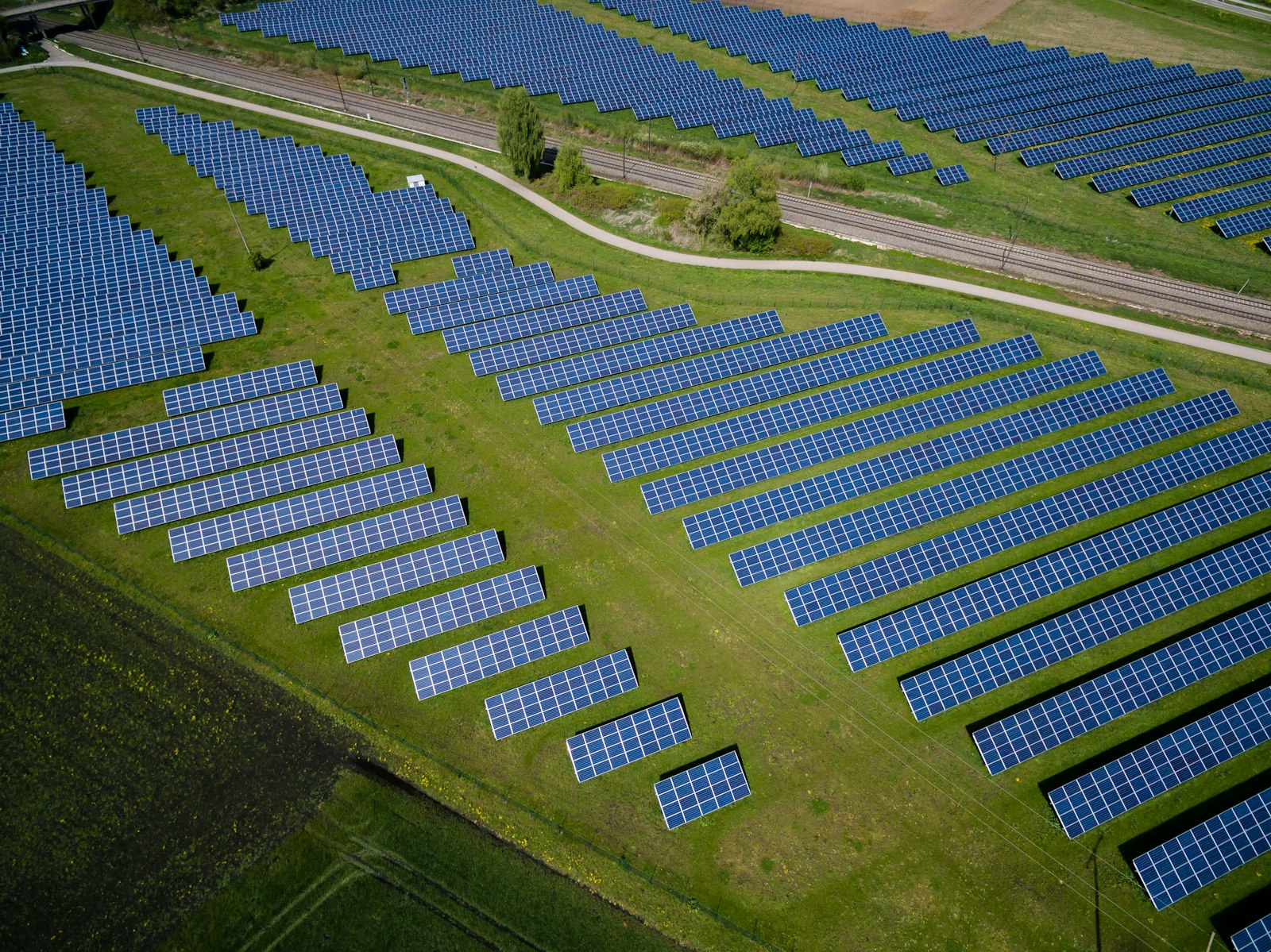
Theme 01 — Fuel Supply and Security
Source: https://budget.gov.au/content/01-fuel-supply-and-security.htm
The Middle East oil shock is the defining macro event of the 2026–27 Budget. Theme 01 funds the immediate supply response, builds longer-term fuel reserves, supports refinery capacity, and accelerates the transition to lower-carbon transport fuels.
Hierarchy
01 Fuel Supply and Security
├── 1.1  Immediate supply response
│   ├── 1.1.1  Minimum Stockholding Obligation relaxation
│   └── 1.1.2  $7.5B Fuel and Fertiliser Security Facility
├── 1.2  Reserve expansion
│   ├── 1.2.1  $3.2B Australian Fuel Security Reserve
│   └── 1.2.2  MSO expansion (+10 days)
├── 1.3  Refinery support
│   ├── 1.3.1  Fuel Security Services Payment (2 refineries)
│   └── 1.3.2  $34.7M Fuel Security Framework Management
├── 1.4  Business relief
│   ├── 1.4.1  $1B National Reconstruction Fund Economic Resilience
│   ├── 1.4.2  Fuel excise & RUC cut (3 months)
│   └── 1.4.3  $55M Transport Resilience and Capacity Kickstart
├── 1.5  Long-term energy transition
│   ├── 1.5.1  $1.1B Cleaner Fuels Program
│   ├── 1.5.2  $1B Hydrogen Headstart Round 2
│   ├── 1.5.3  $40.5M Australia Post fleet electrification
│   └── 1.5.4  $40M EV charger installation
├── 1.6  Domestic gas reservation (20% from 1 July 2027)
└── 1.7  EV FBT incentives (see Theme 04, 4.5.1)
1.1 Immediate supply response
1.1.1 Minimum Stockholding Obligation (MSO) relaxation
Temporary relaxation secured >1 billion extra litres of fuel for the March–June 2026 period.
1.1.2 Fuel and Fertiliser Security Facility — $7.5 billion (≈US$5B)
- Administered by Export Finance Australia.
- Already secured: >450 ML additional diesel and >100 ML additional jet fuel.
- Covers fertiliser inputs critical for the 2026 cropping season.
1.2 Reserve expansion
1.2.1 Australian Fuel Security Reserve — $3.2 billion
- Government-controlled storage of ~1 billion litres of diesel and jet fuel.
- Combined effect: lifts national reserves to ~50 days of diesel and jet fuel cover.
1.2.2 MSO expansion — +10 days
Permanent uplift of statutory minimum stockholding for diesel, jet fuel and petrol.
1.3 Refinery support
- Fuel Security Services Payment maintained — protects both remaining Australian refineries.
- $10 million for refinery-expansion feasibility studies.
- $34.7 million to run the Fuel Security Framework (administer payments and MSO compliance).
1.4 Business relief
1.4.1 National Reconstruction Fund Economic Resilience Program — $1 billion
Interest-free loans for manufacturers and logistics operators absorbing fuel-cost shocks.
1.4.2 Fuel excise & heavy vehicle road-user charge — 3 months from 1 April 2026
- Petrol/diesel excise: 52.6 → 20.6 c/L (cut by more than half).
- Heavy vehicle RUC: reduced to zero.
- Total cost: $2.9 billion.
- ACCC directed to weekly fuel price reporting; max competition-breach penalties raised to $100 million.
1.4.3 Transport Resilience and Capacity Kickstart — $55 million
Rail and shipping freight incentives to shift demand away from road during the diesel squeeze.
1.5 Long-term energy transition
| Program | Investment | Purpose |
|---|---|---|
| Cleaner Fuels Program | $1.1 billion | Production support for low-carbon liquid fuels (biofuels, SAF). |
| Hydrogen Headstart Round 2 | $1 billion | Revenue support for large-scale renewable hydrogen projects. |
| Australia Post fleet electrification | $40.5 million (additional) | Continued conversion of postal delivery fleet. |
| EV chargers — kerbside & regional | $40 million | Network build-out in underserved areas. |
1.6 Domestic Gas Reservation Scheme
- 20% reservation of LNG export volumes for the domestic market.
- Effective 1 July 2027.
- Legislation consultation June–July 2026.
1.7 EV FBT incentives
See Theme 04 — Tax Reform §4.5.1 for the FBT taper schedule.